When you think about the essential components of your home, the chimney may not be the first thing that comes to mind. However, proper ventilation in your chimney is crucial, especially in a climate like Cleveland's, which experiences cold winters and varying seasonal conditions. A well-ventilated chimney not only enhances the efficiency of your fireplace or stove but also plays a significant role in maintaining indoor air quality and ensuring safety for your family.
Understanding Chimney Ventilation
Chimney ventilation refers to the movement of air through the chimney system. This airflow is vital for several reasons: it helps exhaust smoke and harmful gases produced during combustion, prevents the buildup of creosote (a flammable byproduct), and ensures that fresh air enters your home for burning fuel efficiently. Without adequate ventilation, problems can arise that affect both your home’s functionality and your health.
In Cleveland, where houses often have traditional wood-burning fireplaces or gas stoves, understanding how chimney ventilation works becomes even more critical. Many homeowners may overlook this aspect during routine maintenance or repair, leading to potential hazards.
The Risks of Poor Ventilation
One of the most pressing concerns with inadequate chimney ventilation is carbon monoxide poisoning. Carbon monoxide is a colorless, odorless gas produced when fuels burn incompletely. If your chimney is not functioning correctly due to poor airflow, this toxic gas can back up into your living space instead of being expelled outside. Symptoms of carbon monoxide poisoning include headaches, dizziness, confusion, and in severe cases, unconsciousness.
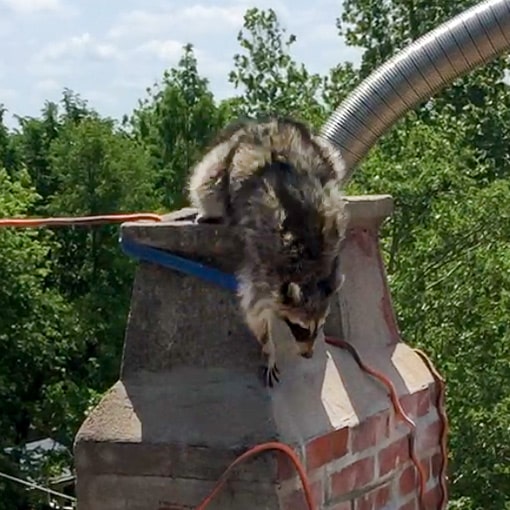
Another issue related to poor ventilation is creosote buildup. Creosote forms when wood burns and can accumulate on the walls of your chimney over time. This highly flammable substance poses a serious fire hazard if not removed through regular cleaning and maintenance. In fact, according to the National Fire Protection Association (NFPA), nearly 30 percent of all residential fires are caused by chimneys due to excessive creosote buildup.
Signs That Your Chimney Needs Attention
Recognizing signs that indicate inadequate ventilation can help you address issues before they escalate into Lewis Chimney and Masonry serious problems:
Smoke Backdraft: If you notice smoke spilling into your room rather than exiting through the chimney while using your fireplace or stove, this indicates a blockage or insufficient airflow.
Unpleasant Odors: A musty smell near your fireplace might suggest moisture accumulation within the chimney due to poor ventilation.
Soot Accumulation: Excessive soot around the fireplace area could signal incomplete combustion resulting from obstructed airflow.
Visible Creosote: If you see black tar-like deposits inside the fireplace or on the flue lining during inspections, it's time for a professional cleaning.
Chimney Cap Damage: A damaged or missing chimney cap can lead to debris entering the flue and blockages that hinder proper ventilation.
If you observe any of these signs in your Cleveland home, seeking professional assistance for chimney repair should be an immediate priority.
Best Practices for Ensuring Proper Ventilation
Maintaining proper chimney ventilation doesn't just rely on occasional check-ups; it requires consistent care throughout the year:
- Regular Inspections: Scheduling annual inspections with professionals like Lewis Chimney and Masonry ensures that any issues are caught early before they become dangerous. Routine Cleaning: Regularly sweeping away soot and creosote prevents buildup that could lead to fire hazards. Installing a Quality Chimney Cap: A good cap protects against debris entry while allowing smoke to exit freely. Using Seasoned Wood: Burning seasoned wood produces less smoke than green wood; this helps minimize creosote formation. Checking Flue Size: Ensure that your flue size matches manufacturer recommendations based on appliance specifications; improper sizing can impede airflow.
By integrating these practices into your home maintenance routine, you can significantly improve the safety and efficiency of your heating systems.
The Role of Professional Help
While some tasks are manageable for homeowners themselves—like checking for visible blockages—it's wise to consult professionals for thorough inspections and repairs. Companies like Lewis Chimney and Masonry in Cleveland specialize in assessing both structural integrity and functional aspects of chimneys.
Professionals have access to tools such as video cameras designed specifically for inspecting flues without needing extensive disassembly. This technology allows them to identify hidden issues like cracks or blockages deep within the structure that might not be visible during standard checks.
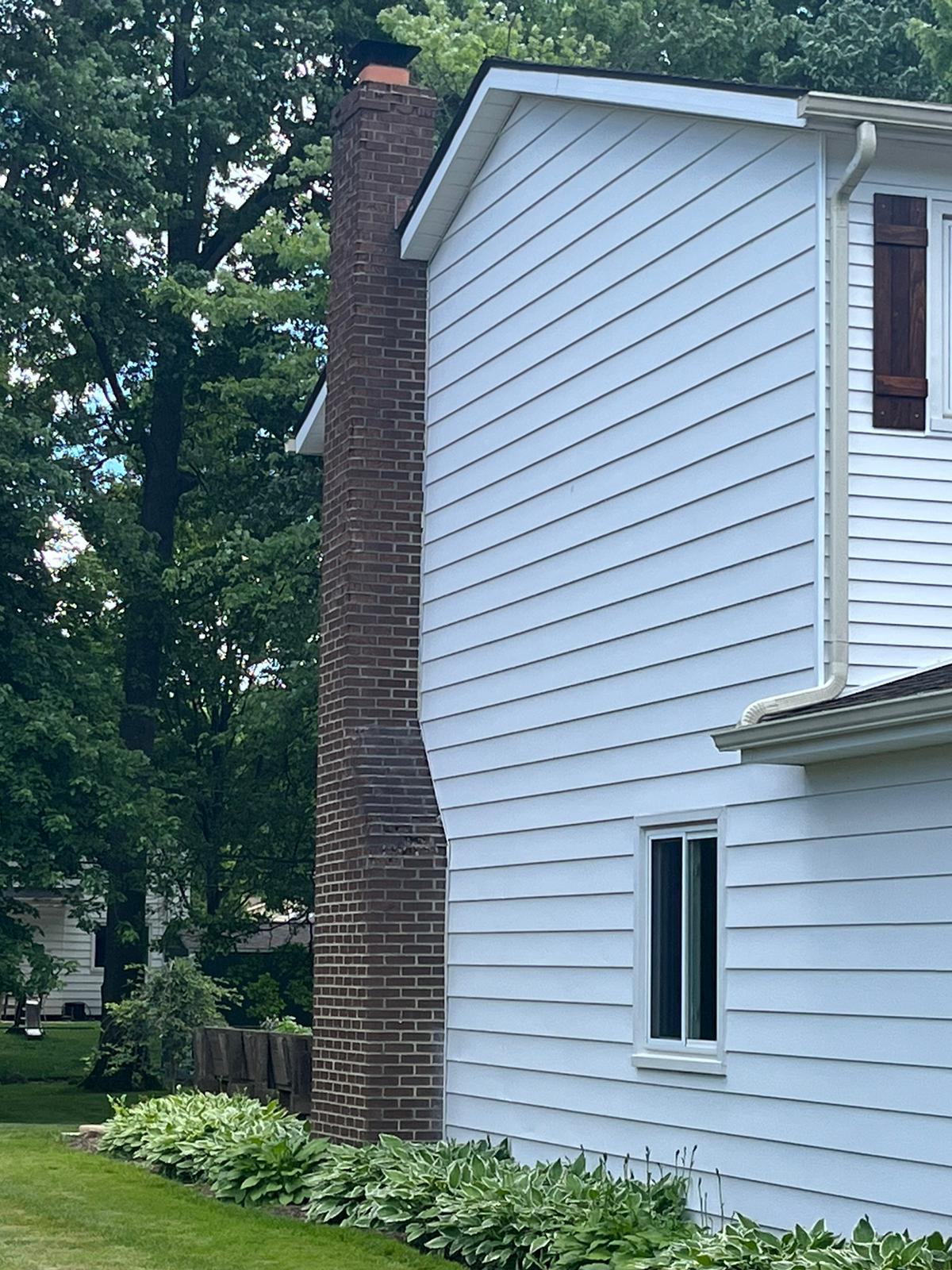
Furthermore, hiring experienced technicians ensures compliance with local building codes regarding venting systems—a crucial factor many homeowners overlook when attempting DIY repairs.
Understanding Local Regulations
Cleveland has specific regulations governing residential maps.app.goo.gl fireplaces and chimneys aimed at promoting safety standards across homes within city limits. Familiarizing yourself with these guidelines is essential if you're considering renovations involving fireplaces or heating appliances:
- Building Codes: Ensure all installations comply with state-mandated codes regarding materials used and venting specifications. Permits Required: Many modifications will require permits from local authorities before proceeding; neglecting this step could result in fines or mandated removal later on. Inspection Requirements: Some municipalities mandate periodic inspections based on appliance type installed—understanding these requirements helps maintain compliance while keeping everyone safe at home.
Whether you're planning new installations or looking into repairs for existing systems, being aware of local regulations can save you from unnecessary complications down the road.
The Bottom Line on Ventilation Maintenance
The importance of proper ventilation in your Cleveland home's chimney cannot be overstated—it directly impacts safety levels within living spaces while enhancing appliance efficiency overall. By recognizing warning signs indicating potential problems early on combined with proactive maintenance habits outlined above—homeowners can safeguard their families against hazardous situations resulting from inadequate airflow patterns throughout their properties.
As winter approaches each year here in Cleveland—ensuring adequate heating systems work safely becomes even more critical! Remember—consulting professionals like Lewis Chimney and Masonry will provide peace-of-mind knowing trained experts handle necessary repairs effectively while complying fully with all regulatory framework surrounding such work!
Investing time now into maintaining structural integrity surrounding chimneys pays off greatly come colder months ahead! Prioritize regular inspections alongside appropriate cleaning schedules today; ensure comfort tomorrow!
Lewis Chimney and Masonry
Cleveland, Ohio, United States
+1 (440) 968-5092
[email protected]
Website: https://lewischimneymasonry.com/